Final Fantasy IX
Spoiler warning: this post goes into the story and characters of Final Fantasy IX. If you haven't played it, the short version is: go play it immediately, and come back when you're done. I'll wait.
I mentioned in an earlier post that I played Final Fantasy VIII before Final Fantasy IX, and before VI, and before VII. What I did not mention is that of all of them, IX is the one that has never left, I guess.
It is the one I return to mentally and physically (I make a point of replaying the game at least once each year), the one that informs how I think about stories and characters and the relationship between visual tone and emotional weight. It is, as far as I am concerned, the finest game in the series and one of the finest things the industry has produced. I will explain why, at length, because this is my blog and I have established by now that length is kind of my thing and hopefully you're ready for it.
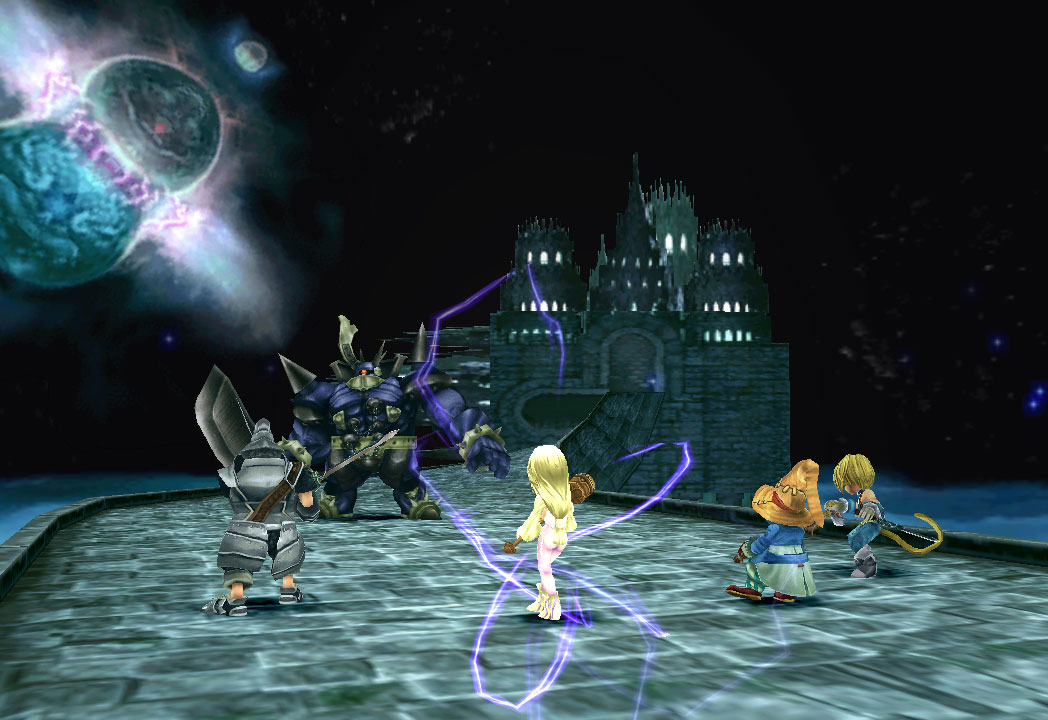
Final Fantasy IX looks like a storybook in motion. This is absolutely intentional and it is one of the most important decisions the game makes. Released in 2000 as the last mainline Final Fantasy on the original PlayStation, it was a conscious return to the series' roots after the more industrialised, contemporary aesthetics of VII and VIII. The world of Gaia is medieval European fantasy rendered in warm, slightly exaggerated proportions: big-headed characters, rounded edges, towns that look like they were built by someone who had read a lot of Tolkien and then immediately gone to see a Shakespeare production and watched a cartoon on the way back home. The design team drew heavily from real European architecture, particularly castle towns in France and Germany. The environments have texture and warmth that still hold up today. (I'd still like my remake, thank you, Squarenix...)
Everything looks like it belongs in an illustrated children's novel, and, mind you, I mean that as the highest possible compliment.
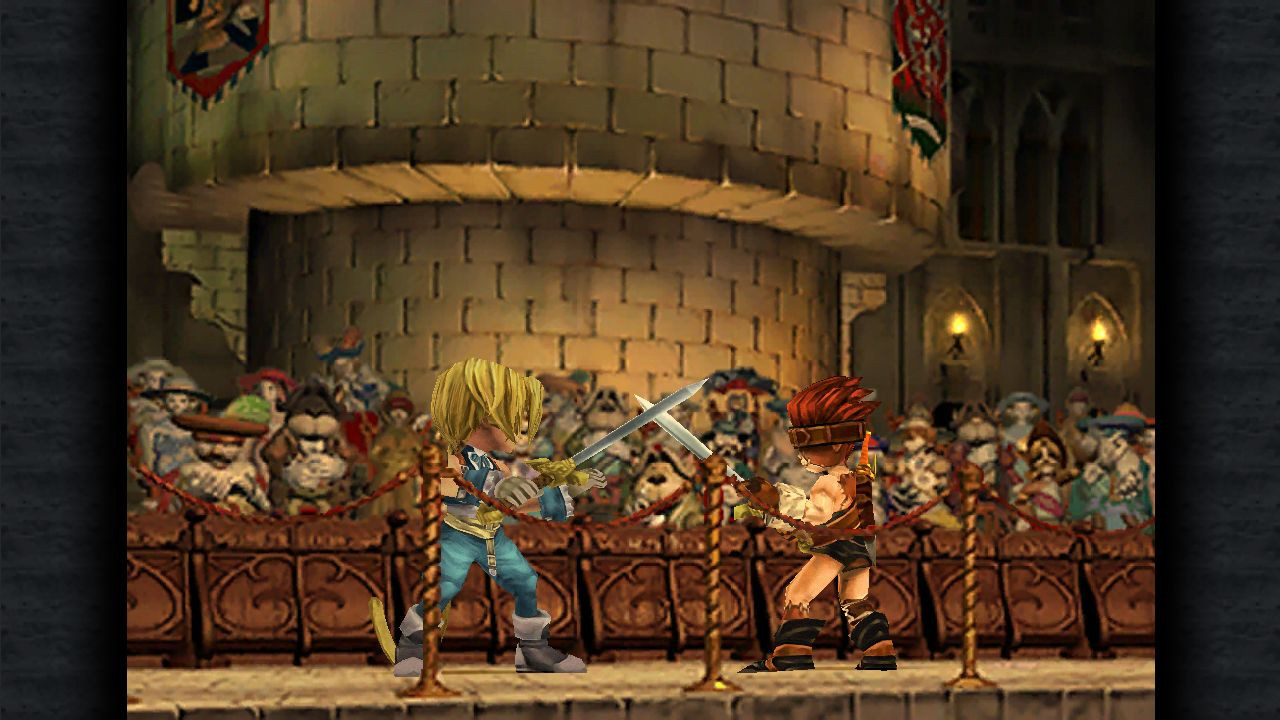
This visual softness is not accidental. It is the game's first move in a long, patient piece of tonal misdirection. Nothing that looks this warm and rounded and friendly should hit you the way this game hits you.
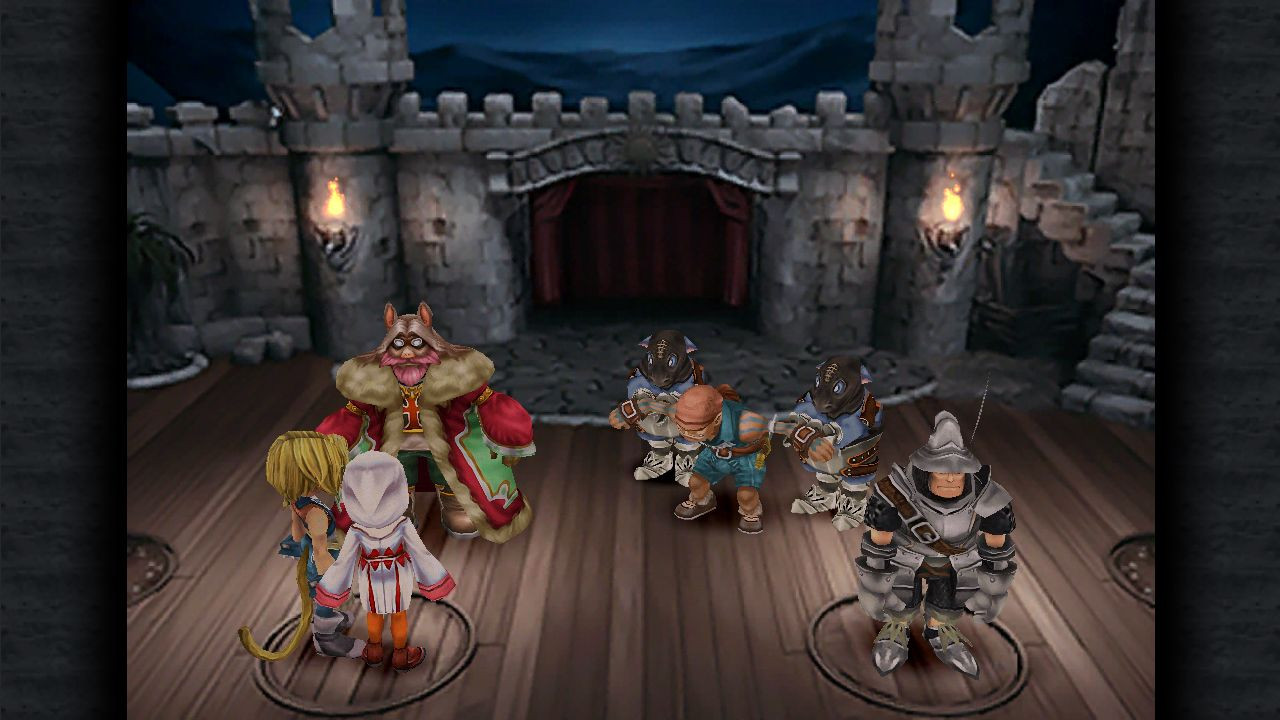
The story begins with a theatre troupe of thieves called Tantalus being hired, under the cover of a performance, to kidnap Princess Garnet of Alexandria. There is a monkey-tailed thief named Zidane who flirts compulsively, a princess trying to escape her increasingly alarming mother, a small and anxious black mage named Vivi who has questions about whether he is real, and a knight named Steiner who is extremely loyal, extremely loud, and extremely wrong about almost everything. It is funny and charming and light on its feet.
And then, slowly, the game earns the right to destroy you...
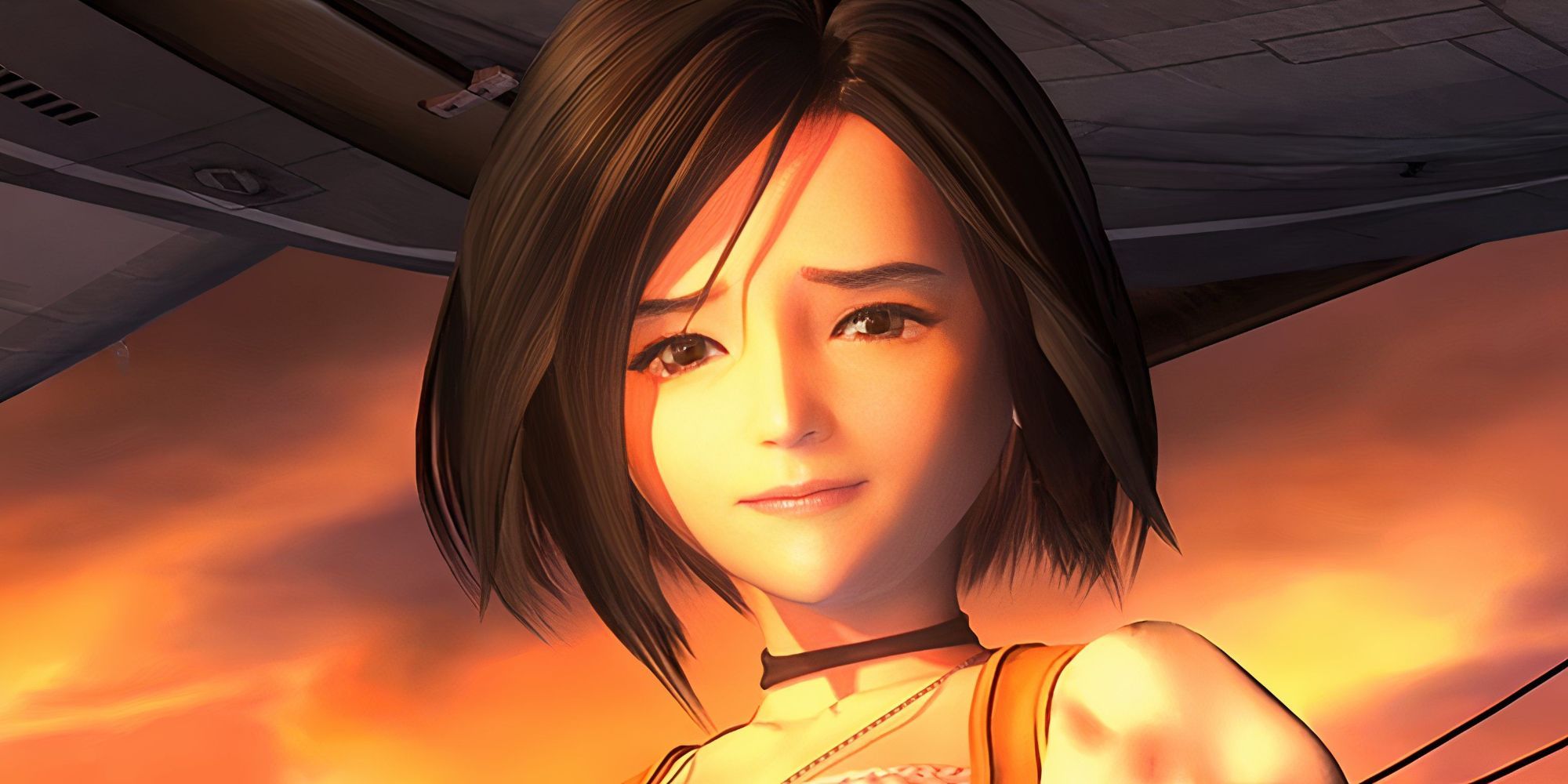
The central theme of Final Fantasy IX is identity: what it means, where it comes from, whether it belongs to you or is assigned to you, and what you do when it is taken away. Every character in the game is defined by this question in a different way. Garnet is a princess who does not know her own origin and must navigate between her love for a mother who is committing atrocities and her duty to the people her mother is harming. Vivi is a manufactured being, a Black Mage, who discovers that his kind were mass-produced as weapons and have a fixed, short lifespan, and must somehow build a sense of self and purpose in the face of that. Steiner knows exactly who he is, a loyal knight of Alexandria, with the absolute unshakeable certainty of someone who is comprehensively wrong, and the game is the story of that certainty slowly being replaced by something genuine. Freya is a dragoon who left her homeland to search for a man she loved, found him, and discovered he had no memory of her whatsoever. Her arc is about what you do when the thing that defined your life is simply gone.
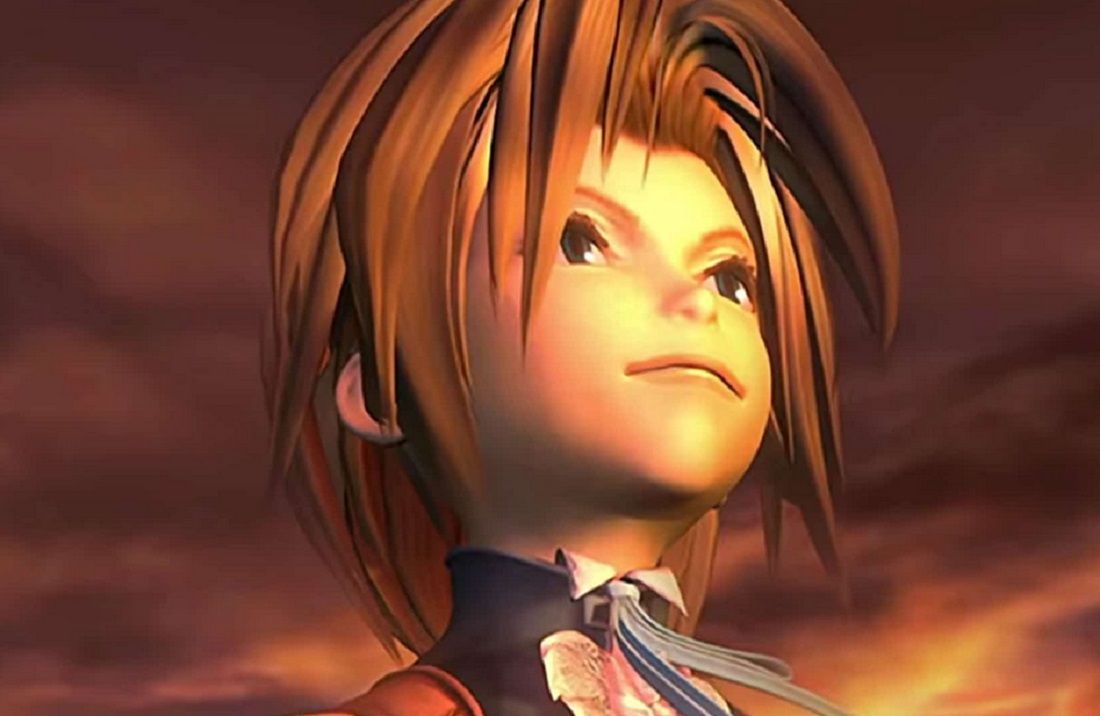
And then there is Zidane. Zidane is, for most of the game, the steadiest person in the party: optimistic, capable, protective of everyone without making a show of it. He is the one who holds people together. And then he finds out the truth of what he is, learning that his entire existence was designed for a purpose he would never have chosen, that he is nothing more than a tool, and he... collapses. Completely. The scene that follows, in which he wanders in a fugue state through a corridor while every single one of his friends comes to find him and return the support he has spent the entire game giving them, remains one of the most genuinely moving things I have ever experienced in a videogame. The song that plays during it, You're Not Alone, is not a coincidence. Speaking of which, we will get to the music, and the man behind it, soon.
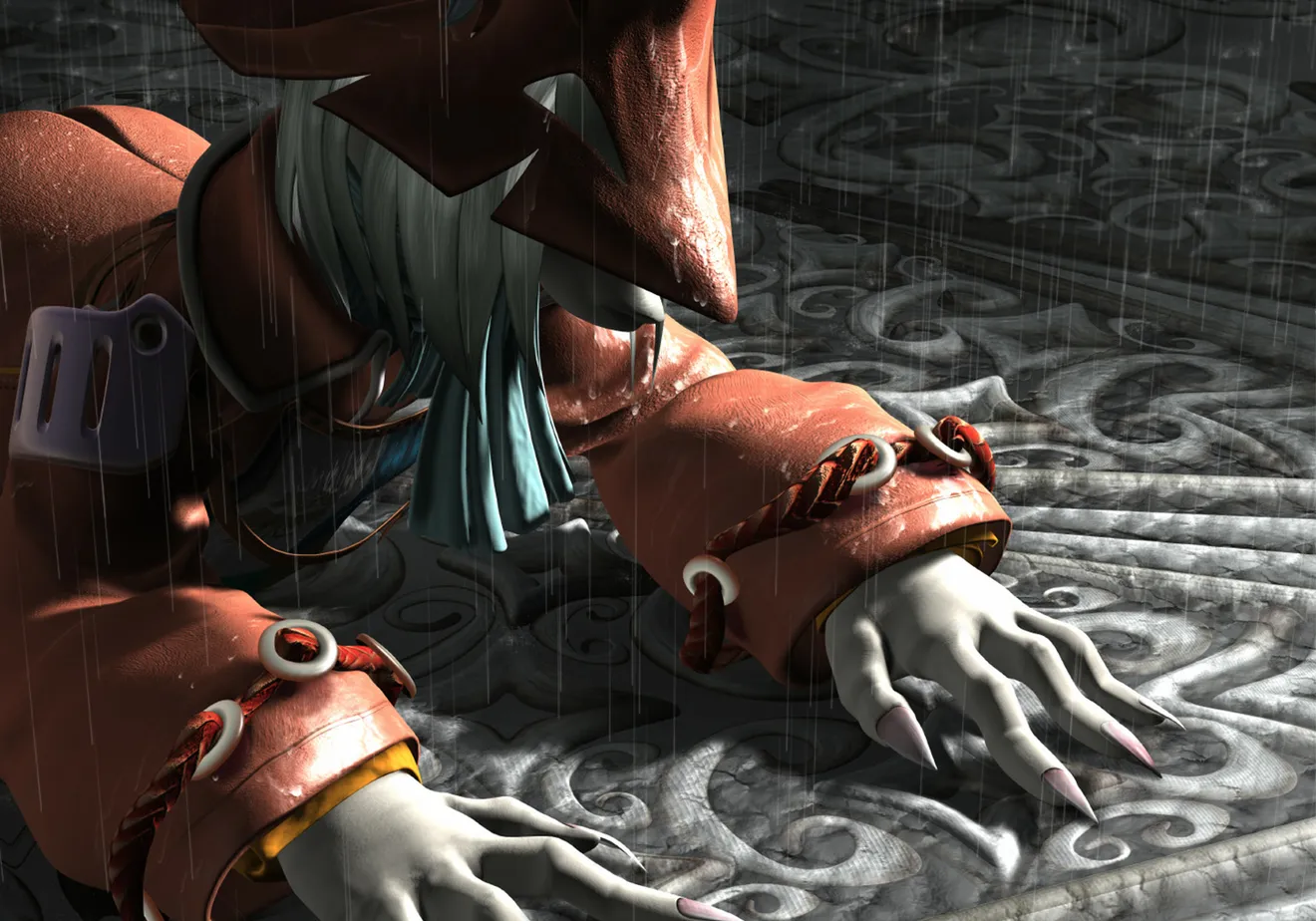
I want to note, briefly and with some regret, that this character work is not evenly distributed across the whole game. The back half of Final Fantasy IX has the pacing problem that plagues many games of its era: as the scope of the plot expands, some characters who were brilliantly realised in the first half begin are left behind. Freya in particular gets significantly less to do in the third and fourth discs, which is a genuine shame because her arc is one of the game's most quietly devastating. Amarant, who joins late and has an interesting dynamic with Zidane, never quite gets the development he seems to be setting up for. These are real criticisms and they are worth naming. They do not, in my view, undermine what the game achieves overall, but they are there, they're the only flaw in an otherwise perfect game if you ask me.

Now, as for the music... Nobuo Uematsu was born in 1959 in Kochi Prefecture, Japan. He taught himself piano at twelve, inspired by Elton John, went on to write music for commercials after university, and joined Square in 1986 after being personally invited by Hironobu Sakaguchi. He then composed the soundtracks for the first nine mainline Final Fantasy games entirely on his own. Not co-composed. Not supervised. Alone. Nine games. That is an almost absurd body of solo work, and Final Fantasy IX was where it ended: it was his last exclusive Final Fantasy score, after which the series began bringing in additional composers for subsequent entries.
For Final Fantasy IX, he spent nearly a year composing, working over twelve-hour days. He initially wrote around 160 tracks. The complete score would have required six CDs to release and was deemed too large, and approximately twenty tracks ended up unused. One of the casualties was a world map theme he had composed and apparently loved but could not find a suitable place for in the game. The final soundtrack spans four CDs and 110 tracks.
He initially tried writing using only traditional, non-electronic instruments to match the game's medieval setting, but concluded this would be "unbalanced" and "a little boring." The cartoonish, fantastical nature of the visuals gave him freedom to move between the genuinely silly and the genuinely grave within the same soundtrack without it feeling inconsistent, and he used that freedom extensively. He took a two-week trip to Europe, visiting old castles in Germany, to anchor the compositions in something real. He was also drawing on the series' own history: the opening notes of the battle theme echo earlier Final Fantasy games, and several tracks are remixes or callbacks to pieces from the NES era.
The result is a soundtrack of extraordinary range, to say the least.
Vivi's Theme that sounds like someone playing something half-remembered, and it is perfect for a character who is trying to figure out if he is really alive. There is Freya's Theme, which carries all the weight of her character and her story in it. And then there is one of my favorite tracks ever, Beatrix's battle theme, which is one of the greatest pieces of music in the series and is specifically designed to make you feel like you are losing beautifully, because you are, because she is going to defeat you, because she is that good, and the music agrees with her about this. (Yes, Beatrix is that cool.)
And then there is the game's main theme... Melodies of Life.
Melodies of Life is the main theme of Final Fantasy IX. It was composed by Uematsu, arranged by Shirō Hamaguchi, and performed in both Japanese and English by vocalist Emiko Shiratori. The Japanese lyrics were written by Hiroyuki Ito under a pen name; the English lyrics were translated by Kako Someya and Alexander O. Smith, yes, the same person responsible for the magnificent English localisation of Vagrant Story. It is an anchor for everything the game is trying to say about life, connection, and the value of a moment even when you know it will end.
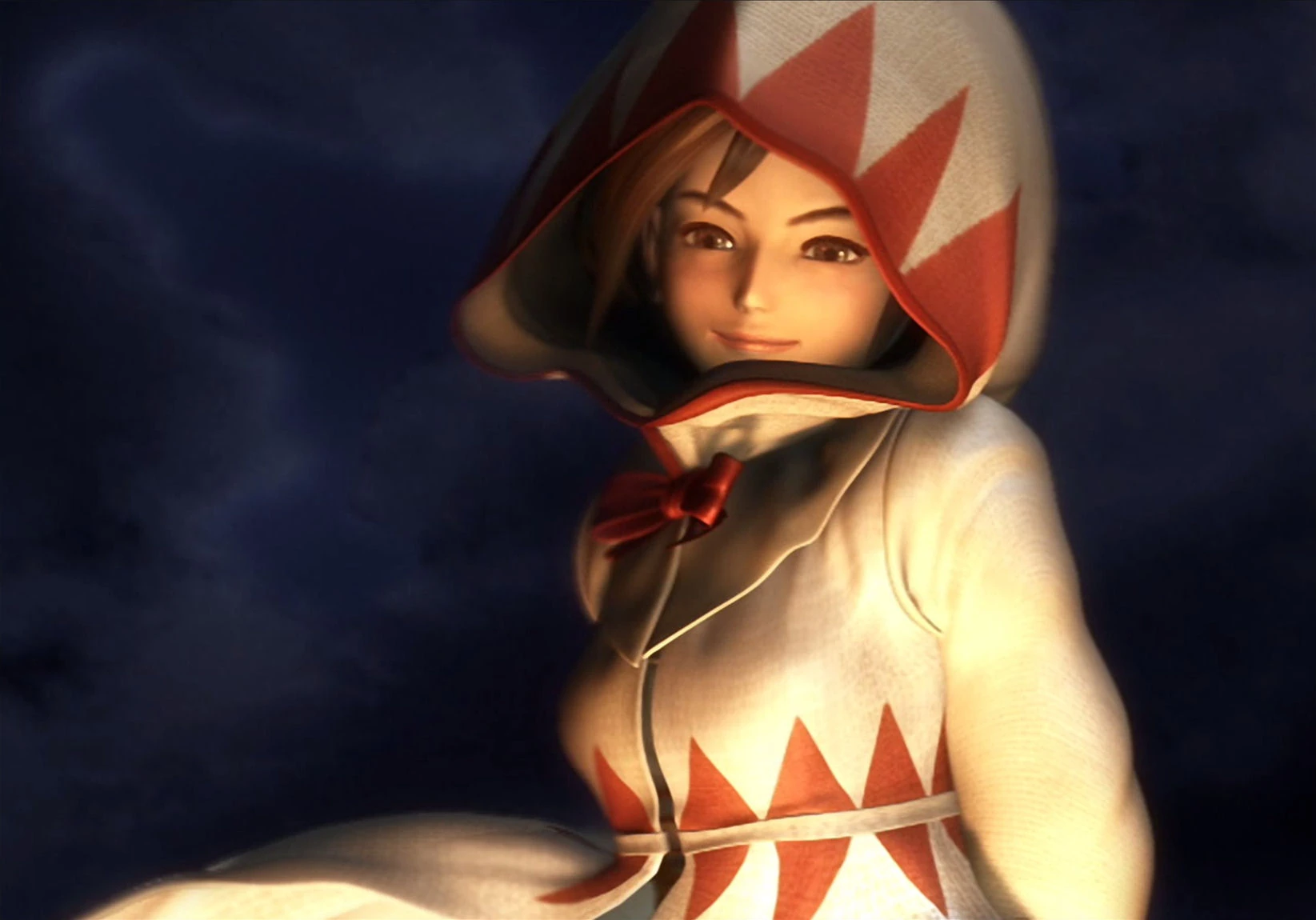
It is one of the most beautiful pieces of music ever composed for a video game. It is also the piece that, more than any other, exemplifies what Uematsu was doing across his Final Fantasy career: writing music that operates simultaneously as world-building, as character definition, and as emotional argument. The melody does not just accompany the story, it is part of the story's meaning.
He left Square Enix in 2004, the same year Sakimoto left, founding his own company called Smile Please and later the label Dog Ear Records. He has since worked freelance on projects including games by Mistwalker, the studio Hironobu Sakaguchi founded after his own departure from Square (We will talk about Lost Odyssey someday).
He currently performs with his band, aptly named Nobuo Uematsu ConTiki. I had the pleasure and privilege of attending one of their concerts, and I highly recommend going to see them if you get the chance! They're amazing artists and super cool as actual people!
Anyway, Final Fantasy IX ends looking back at everything that just happened, and it says something to the effect that the most important thing is not the destination, nor the battle, but the time spent with the people you found along the way. The game has been building to exactly this thesis for hours and it delivers it with complete sincerity and no apology, which is the only way it could possibly work.
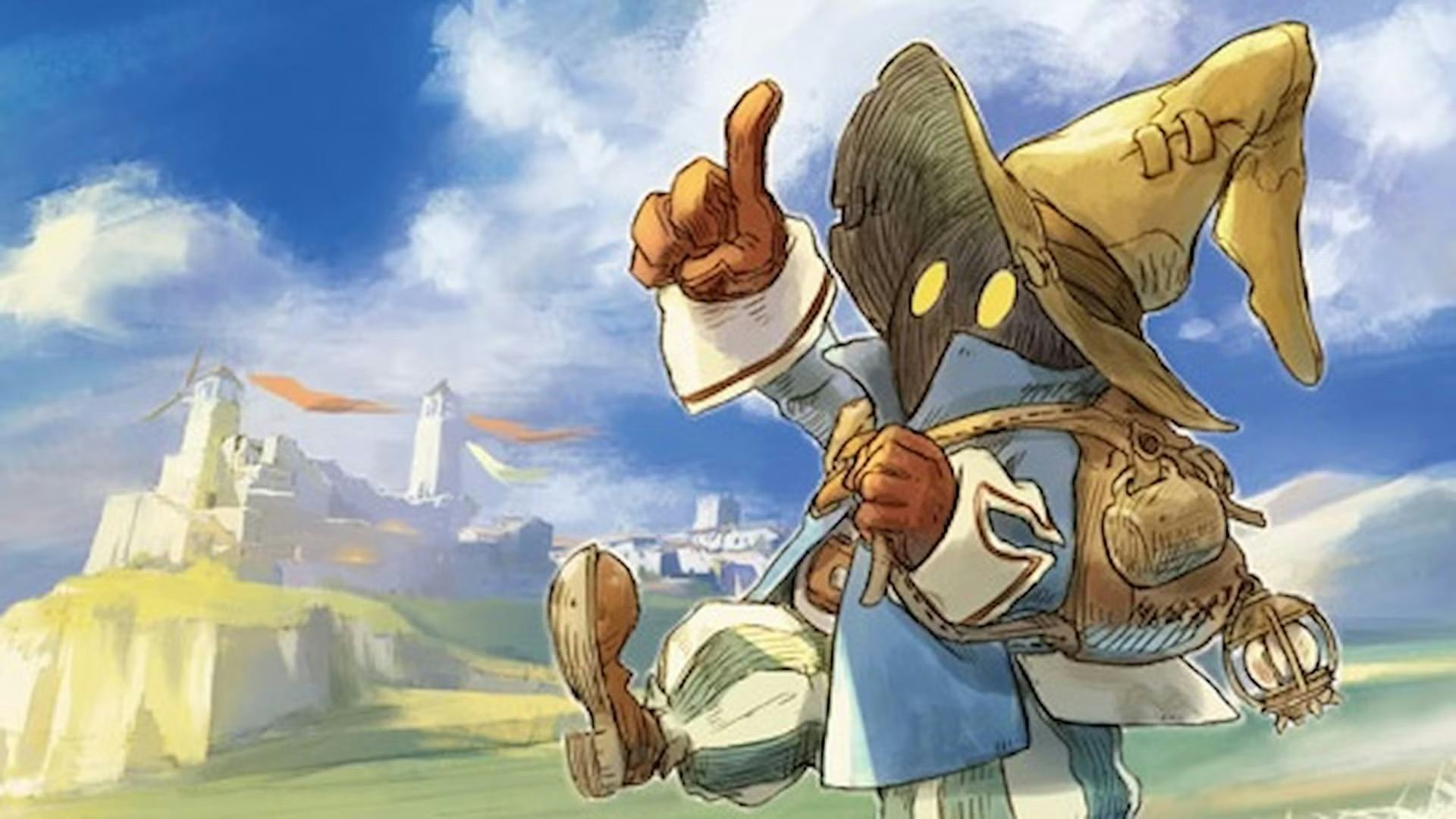
It is a game that looks like it is for children and is, in fact, for everyone. It is a game about mortality and identity and the terror of being told your existence has a fixed purpose and nothing more, told through characters with round heads and enormous eyes in a world that looks like an illustration from a book your parents might have read to you as a child.
That combination should not work, and yet it absolutely does.
Play it if you haven't. Play it again if you have.